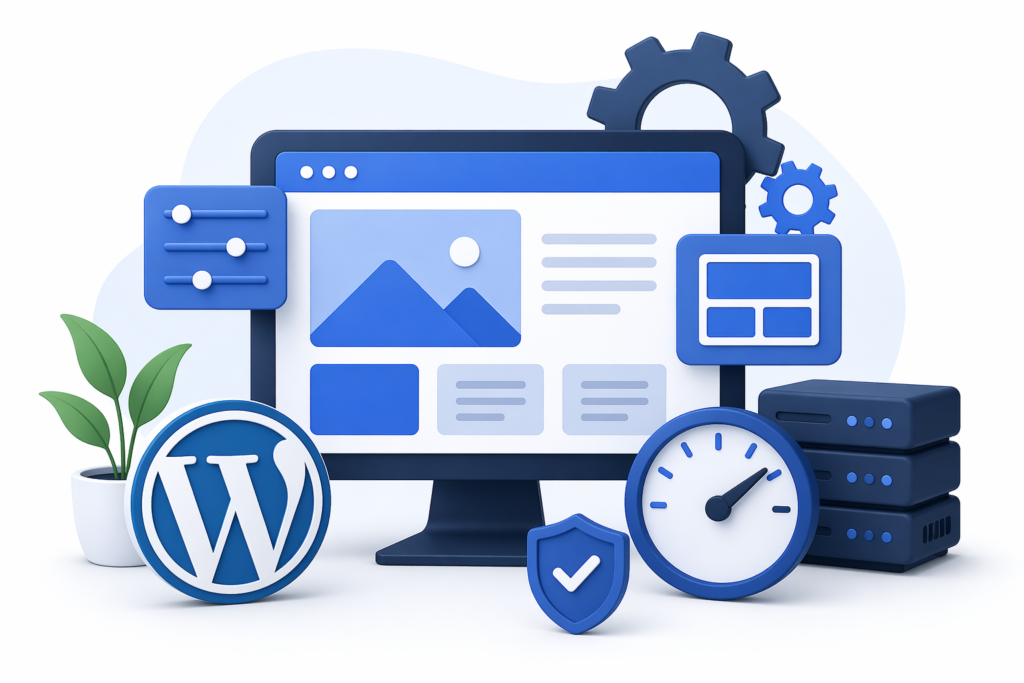
WordPress Theme and Plugin Optimization Guide: Learn how to choose, customize, secure, and optimize WordPress themes and plugins for performance, SEO, and long-term website success.
Introduction: Mastering WordPress Themes and Plugins for Modern Websites
In today’s competitive digital landscape, building a high-performing website goes far beyond simply installing WordPress. The real power lies in how effectively you manage your WordPress theme and plugin ecosystem. These components define not only how your site looks but also how it performs, ranks on search engines, and delivers user experience.
At WP Maintenance Service, we’ve seen firsthand how the right combination of themes and plugins can transform a struggling website into a fast, secure, and conversion-driven platform. Conversely, poor choices can result in slow loading speeds, security vulnerabilities, and poor search visibility.
This comprehensive guide explores everything you need to know about WordPress themes and plugins, including selection, customization, performance optimization, security best practices, and future-proof strategies. Whether you’re a beginner or an experienced developer, this guide will help you make informed decisions aligned with modern SEO and Google quality standards.
Understanding WordPress Themes and Plugins: The Foundation of Your Website
A WordPress website is built on two essential pillars: themes and plugins. While they may seem simple on the surface, their role in website functionality and performance is profound. Understanding how they work is critical to building a scalable and efficient website.
A WordPress theme controls the visual appearance of your site, including layout, typography, colors, and overall design. It determines how your content is presented to users. Modern themes also include built-in features such as responsive design, accessibility, and integration with page builders. Choosing the right theme ensures your website is visually appealing while maintaining usability across all devices.
On the other hand, WordPress plugins extend the functionality of your site. From SEO optimization and security enhancements to eCommerce capabilities and contact forms, plugins allow you to customize your website without coding. However, excessive or poorly coded plugins can negatively impact performance and security.
To align with best practices outlined in Google Search Essentials, it is crucial to maintain a clean and optimized setup. A well-balanced combination of lightweight themes and essential plugins ensures your site remains fast, secure, and search-engine friendly.
Choosing the Right WordPress Theme for Performance and SEO
Selecting the right WordPress theme is one of the most critical decisions you’ll make. A poorly coded theme can slow down your website, harm your SEO rankings, and create usability issues.
When evaluating themes, prioritize speed, responsiveness, and clean code structure. Lightweight themes like Astra or GeneratePress are popular because they are optimized for performance and compatibility with modern web standards. A theme should load quickly, adapt to all screen sizes, and support accessibility guidelines.
Another key factor is SEO readiness. Themes should follow proper HTML structure, use semantic markup, and support schema integration. According to Google Page Experience, user experience signals such as mobile usability and loading speed directly influence rankings.
Customization flexibility is equally important. A good theme should allow easy customization without bloating your site. Avoid themes packed with unnecessary features you may never use, as they can increase load times and complexity. Instead, choose a modular theme that lets you enable only what you need.
Essential WordPress Plugins Every Website Needs
Plugins are the backbone of WordPress functionality, but choosing the right ones requires careful consideration. Installing too many plugins can slow your site and introduce security risks, so focus on quality over quantity.
Every WordPress website should include a core set of essential plugins. These typically include an SEO plugin, a caching plugin, a security plugin, and a backup solution. For example, SEO plugins help optimize meta tags, sitemaps, and on-page elements, while caching plugins improve load times by storing static versions of your pages.
Security plugins are critical for protecting your site from malware and unauthorized access. According to Google Safe Browsing, compromised websites can be flagged, leading to significant traffic loss and reputational damage.
Backup plugins ensure your data is safe in case of unexpected issues. Automated backups allow you to restore your website quickly without losing valuable content or user data. When selecting plugins, always check reviews, update frequency, and developer credibility to ensure reliability.
How Themes and Plugins Impact Website Speed and Performance
Website speed is a crucial ranking factor and a major determinant of user experience. Both themes and plugins play a significant role in how fast your website loads.
Heavy themes with excessive scripts, animations, and poorly optimized code can drastically slow down your site. Similarly, plugins that load unnecessary resources or conflict with each other can increase page load times. This directly affects metrics like Largest Contentful Paint (LCP) and Cumulative Layout Shift (CLS).
Google emphasizes performance through Core Web Vitals, which measure real-world user experience. A slow website can lead to higher bounce rates and lower rankings, making optimization essential.
To improve performance, use lightweight themes, limit plugin usage, and regularly audit your site. Tools like caching, image optimization, and content delivery networks (CDNs) can further enhance speed. Always test performance after installing new themes or plugins to ensure they don’t negatively impact your site.
Customizing WordPress Themes Without Breaking Functionality
Customization is where your website becomes unique, but improper modifications can lead to broken layouts and compatibility issues. Understanding best practices ensures safe and effective customization.
One of the most important practices is using a child theme. A child theme allows you to modify design and functionality without altering the core theme files. This ensures that your changes are preserved even when the parent theme is updated.
Another approach is using page builders like Elementor or Gutenberg. These tools provide drag-and-drop functionality, allowing you to create custom layouts without coding. However, excessive use of page builders can add unnecessary code, so balance is key.
Always test changes in a staging environment before applying them to your live site. This prevents unexpected errors and downtime. Following guidelines from Google Web Fundamentals helps ensure your customizations align with modern web standards and performance expectations.
Plugin Compatibility and Conflict Management
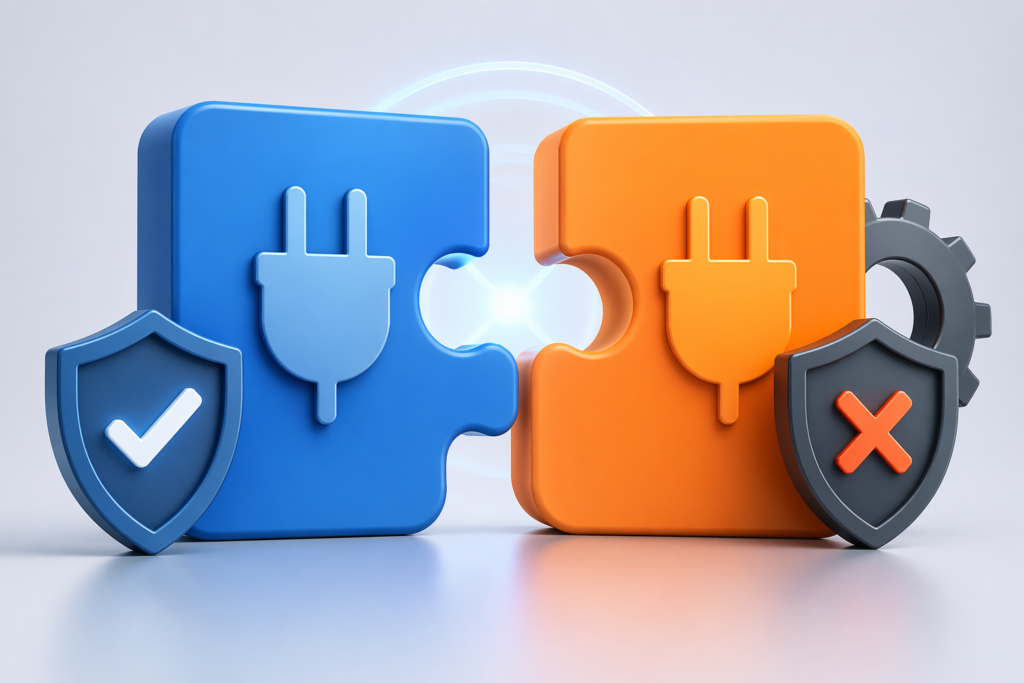
Plugin conflicts are a common issue in WordPress websites, often leading to broken features or site crashes. Understanding how to manage compatibility is essential for maintaining a stable website.
Conflicts usually occur when two plugins attempt to perform similar functions or when a plugin is incompatible with your theme. This can result in errors, slow performance, or even complete site failure.
To avoid conflicts, install plugins from reputable developers and keep them updated. Regular updates ensure compatibility with the latest WordPress version and security patches. Testing plugins in a staging environment before deployment can help identify potential issues early.
If a conflict arises, deactivate plugins one by one to identify the source. Once identified, you can replace the conflicting plugin or seek support from the developer. Maintaining a minimal and well-organized plugin stack reduces the likelihood of conflicts and ensures smoother operation.
Security Best Practices for WordPress Themes and Plugins
Security is a top priority for any website, and themes and plugins are often the most vulnerable entry points for attackers. Implementing robust security measures is essential to protect your site.
Always download themes and plugins from trusted sources such as the official WordPress repository or reputable marketplaces. Avoid nulled or pirated versions, as they often contain malicious code.
Regular updates are critical for security. Developers frequently release updates to fix vulnerabilities, so keeping your themes and plugins up to date reduces risk. According to Google Security Best Practices, outdated software is a common cause of website hacks.
Additionally, use security plugins, strong passwords, and two-factor authentication. Regular security scans and monitoring can help detect and prevent threats before they cause damage. A proactive approach to security ensures long-term website stability and trustworthiness.
Advanced Optimization Strategies for Themes and Plugins
Once the basics are in place, advanced optimization techniques can significantly enhance your website’s performance and scalability. These strategies go beyond simple installation and focus on fine-tuning every aspect of your WordPress environment.
One effective approach is asset optimization, which involves minimizing CSS, JavaScript, and HTML files. Many themes and plugins load unnecessary assets on every page, even when they are not needed. Tools and optimization plugins can help you selectively disable these resources, reducing page size and improving load times. This aligns with recommendations from Google PageSpeed Insights, which emphasizes minimizing unused code.
Another advanced strategy is lazy loading for images and videos. Instead of loading all media files at once, lazy loading ensures that content is loaded only when it becomes visible on the user’s screen. This reduces initial page load time and improves overall performance, especially for media-heavy websites.
Database optimization is equally important. Over time, your WordPress database accumulates unnecessary data such as revisions, spam comments, and transient options. Regular cleanup ensures efficient database queries and faster response times. Combining these strategies creates a lean, high-performance website capable of handling increased traffic without compromising speed.
SEO Integration with WordPress Themes and Plugins
Search engine optimization is deeply connected to how your themes and plugins are configured. A well-optimized WordPress setup ensures that search engines can easily crawl, index, and rank your content.
Themes should support clean HTML structure and schema markup, which helps search engines understand your content better. Structured data enhances your chances of appearing in rich results, improving visibility and click-through rates. According to Google Structured Data Guidelines, proper implementation of schema is essential for advanced search features.
Plugins play a crucial role in SEO by managing meta tags, XML sitemaps, breadcrumbs, and canonical URLs. These elements ensure that your website communicates effectively with search engines. However, it’s important to configure these plugins correctly to avoid duplicate content issues or incorrect indexing.
Internal linking is another key factor. By strategically linking related content within your website, you improve navigation and distribute link equity. This helps search engines discover and rank your pages more effectively. Combining SEO-friendly themes with properly configured plugins creates a strong foundation for sustainable search rankings.
Mobile Optimization and Responsive Design
With the majority of web traffic coming from mobile devices, optimizing your WordPress themes and plugins for mobile is no longer optional—it’s essential. A responsive design ensures that your website adapts seamlessly to different screen sizes and devices.
Modern WordPress themes are typically built with responsiveness in mind, but not all are created equal. It’s important to test your theme across multiple devices to ensure consistent performance and usability. Navigation menus, images, and interactive elements should function smoothly on smaller screens.
Google prioritizes mobile-friendly websites through its mobile-first indexing approach, as outlined in Google Mobile-Friendly Guidelines. This means your mobile version is considered the primary version for ranking purposes.
Plugins should also be optimized for mobile performance. Avoid plugins that create intrusive pop-ups or slow down mobile load times. Instead, focus on lightweight solutions that enhance user experience without compromising speed. A mobile-optimized website not only improves rankings but also increases user engagement and conversions.
Regular Maintenance and Updates for Long-Term Stability
Maintaining your WordPress themes and plugins is an ongoing process that ensures your website remains secure, functional, and up to date. Neglecting maintenance can lead to performance issues, security vulnerabilities, and compatibility problems.
Regular updates are essential. Developers frequently release updates to fix bugs, improve performance, and address security issues. Keeping your themes and plugins updated ensures compatibility with the latest WordPress core version and reduces the risk of vulnerabilities.
Backup management is another critical aspect of maintenance. Automated backups allow you to restore your website quickly in case of unexpected issues. This minimizes downtime and prevents data loss.
Monitoring and auditing your website regularly helps identify potential issues before they escalate. Performance monitoring tools can detect slow pages, while security scans can identify vulnerabilities. A proactive maintenance strategy ensures your website remains reliable and efficient over time.
Custom Development vs Pre-Built Themes and Plugins
Choosing between custom development and pre-built solutions depends on your website’s goals, budget, and technical requirements. Both approaches have their advantages and limitations.
Pre-built themes and plugins offer convenience and cost-effectiveness. They are easy to install, widely supported, and often come with extensive documentation. For most websites, these solutions provide sufficient functionality without the need for custom coding.
However, custom development offers greater flexibility and control. It allows you to create tailored solutions that meet specific business needs. Custom themes and plugins can be optimized for performance and security, reducing unnecessary features and bloat.
The downside of custom development is the higher cost and time investment. It also requires ongoing maintenance and technical expertise. For businesses aiming for scalability and unique functionality, custom development can be a worthwhile investment. For others, well-chosen pre-built solutions can deliver excellent results.
Scaling Your Website with the Right Plugin Strategy
As your website grows, your plugin strategy must evolve to support increased traffic and functionality. Scaling effectively requires careful planning and optimization.
Start by auditing your existing plugins and removing any that are unnecessary or redundant. Each plugin adds overhead, so minimizing your plugin stack improves performance and reduces complexity.
Consider using multifunctional plugins that combine several features into one solution. This reduces the number of plugins required and simplifies management. However, ensure that these plugins are well-coded and regularly updated.
For high-traffic websites, performance optimization becomes even more critical. Implement caching, use a content delivery network (CDN), and optimize database queries to handle increased load. A scalable plugin strategy ensures your website can grow without compromising speed or reliability.
Monitoring and Troubleshooting Theme and Plugin Issues
Even with the best setup, issues can arise with themes and plugins. Effective monitoring and troubleshooting are essential for maintaining a smooth user experience.
Common issues include slow loading times, broken layouts, and functionality errors. Identifying the root cause requires a systematic approach. Start by checking recent changes, such as new plugin installations or updates.
Debugging tools and logs can help pinpoint errors. WordPress debugging mode provides detailed error messages, while performance monitoring tools highlight slow components. Once the issue is identified, you can take corrective action, such as updating, replacing, or removing the problematic plugin or theme.
Regular testing and monitoring ensure that your website remains stable and functional. By addressing issues promptly, you can minimize downtime and maintain a positive user experience.
Future Trends in WordPress Themes and Plugins
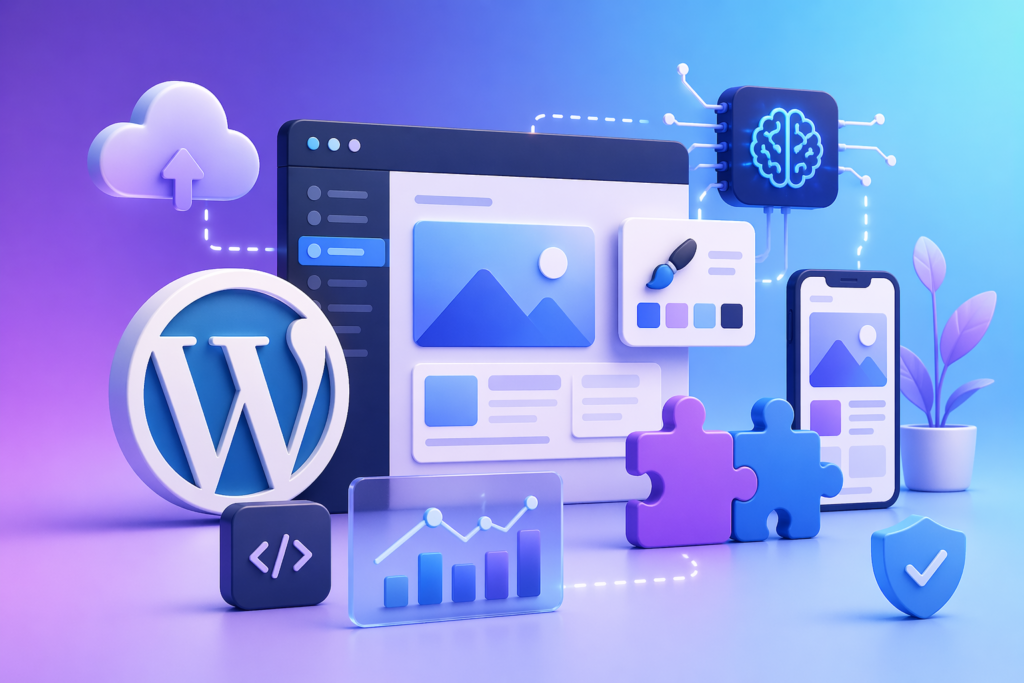
The WordPress ecosystem is constantly evolving, with new trends shaping how themes and plugins are developed and used. Staying ahead of these trends ensures your website remains competitive.
One major trend is the rise of block-based themes and full-site editing. This approach allows users to customize every aspect of their website using blocks, providing greater flexibility and control.
Another trend is the increasing focus on performance and lightweight design. Developers are prioritizing speed and efficiency, creating themes and plugins that load faster and use fewer resources.
Artificial intelligence and automation are also becoming more prominent. From AI-powered SEO tools to automated security monitoring, these innovations are transforming how websites are managed. Keeping up with these trends helps you leverage new technologies and maintain a cutting-edge website.
Common Mistakes to Avoid with WordPress Themes and Plugins
One of the most common mistakes is installing too many plugins without considering their impact on performance. This often leads to slow loading times and compatibility issues. Instead, focus on essential plugins that provide real value.
Another mistake is using outdated or unsupported themes and plugins. These can introduce security vulnerabilities and compatibility problems. Always choose actively maintained solutions with regular updates.
Ignoring testing is another critical error. Making changes directly on a live website can result in downtime or broken functionality. Always use a staging environment to test updates and new installations before deploying them.
Lastly, many users neglect backups. Without a reliable backup system, recovering from errors or attacks becomes extremely difficult. Avoiding these mistakes ensures a more stable and secure website.
FAQs
1. How many plugins should I use on my WordPress site?
There is no fixed number, but it’s best to use only essential plugins. Focus on quality and performance rather than quantity.
2. Can I change my WordPress theme without losing content?
Yes, your content remains محفوظ, but design and layout may change. Always back up your site before switching themes.
3. Are free themes and plugins safe to use?
Free options from the official repository are generally safe. Avoid downloading from untrusted sources.
4. How often should I update themes and plugins?
Updates should be applied as soon as they are released, after testing in a staging environment.
5. What should I do if a plugin breaks my website?
Deactivate the plugin via your dashboard or hosting panel, then identify the issue and replace it if necessary.
6. Do themes affect SEO?
Yes, themes impact site structure, speed, and mobile responsiveness, all of which influence SEO rankings.
7. What is the safest way to customize a theme?
Using a child theme ensures your changes are preserved during updates.
8. Can plugins slow down my website?
Yes, poorly coded or excessive plugins can significantly impact performance.
Best Practices Summary
To build a high-performing WordPress website, focus on using lightweight themes, installing only essential plugins, and maintaining regular updates. Prioritize performance optimization techniques such as caching, lazy loading, and database cleanup.
Ensure your website follows SEO best practices by using structured data, optimizing internal linking, and maintaining a clean site structure. Security should always be a priority, with regular updates, strong authentication, and reliable backups.
Finally, adopt a proactive approach to monitoring and maintenance. Regular audits, performance testing, and troubleshooting ensure your website remains fast, secure, and user-friendly.
Conclusion: Building a Future-Ready WordPress Website
Mastering WordPress themes and plugins is essential for creating a website that is not only visually appealing but also fast, secure, and optimized for search engines. By following the strategies outlined in this guide, you can build a scalable and high-performing website that meets modern standards.
At WP Maintenance Service, we understand the complexities involved in managing WordPress websites. From theme selection and plugin optimization to ongoing maintenance and security, a strategic approach ensures long-term success.
Investing in the right tools, practices, and expertise will help you stay ahead in an ever-evolving digital landscape. With the right foundation, your WordPress website can achieve sustainable growth and deliver exceptional user experiences.
Want to Implement This Easily?
Prompt:
You are an expert consultant. Based on the blog post titled “(WordPress Theme and Plugin)”, provide a step-by-step, practical implementation guide. Include tools, best practices, common mistakes to avoid, and advanced tips. Assume the reader wants to implement everything discussed in this article effectively.
Call to Action:
Want our help implementing this? Just reach out to us via our website contact form:
https://www.wpmaintenanceservice.com/contact-us/