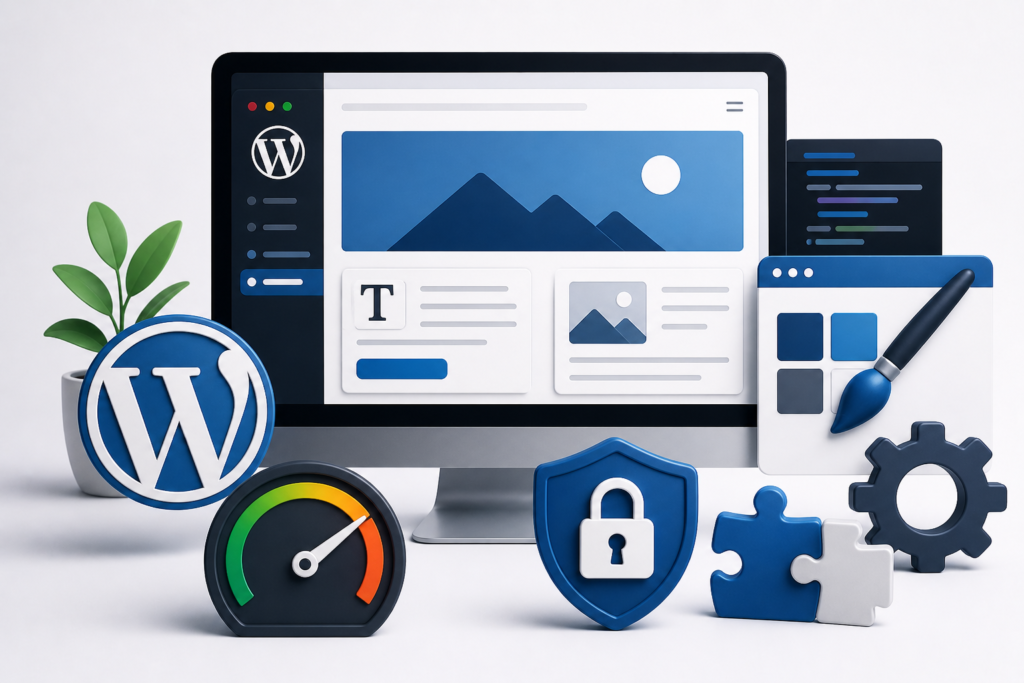
Master WordPress themes and plugins with this in-depth guide covering customization, performance optimization, security, and best practices to build fast, scalable, and SEO-friendly websites.
Introduction
When it comes to building modern websites, WordPress themes and plugins are the foundation of flexibility, customization, and scalability. Whether you’re running a blog, an eCommerce store, or a corporate website, the right combination of themes and plugins determines your site’s performance, user experience, and long-term growth potential.
At WP Maintenance Service, we’ve seen firsthand how businesses succeed—or struggle—based on their theme and plugin choices. A well-optimized setup can dramatically improve page speed, SEO rankings, and conversions, while poor decisions can lead to slow load times, security vulnerabilities, and costly maintenance issues.
This comprehensive guide explores everything you need to know about WordPress themes and plugins, including how to choose, customize, optimize, and maintain them using industry best practices aligned with Google’s quality guidelines.
Understanding WordPress Themes: The Foundation of Design
WordPress themes control the visual appearance and layout of your website. They define how content is displayed, including typography, colors, navigation, and overall user interface. A theme acts as the front-end framework that determines your site’s identity and usability.
A high-quality theme is more than just design—it’s about performance, responsiveness, and accessibility. Modern themes are built using clean code, mobile-first design principles, and optimized assets to ensure fast loading speeds. Choosing a poorly coded theme can negatively impact your Core Web Vitals, which directly affects search rankings.
When selecting a theme, prioritize lightweight frameworks, regular updates, and developer support. Avoid bloated multipurpose themes packed with unnecessary features. Instead, focus on themes that align with your website’s specific purpose. A niche-focused theme often delivers better performance and customization flexibility compared to all-in-one solutions.
Exploring WordPress Plugins: Extending Functionality
While themes control design, plugins handle functionality. From SEO optimization to security, caching, and eCommerce, plugins allow you to extend your website without writing custom code.
Plugins are powerful, but they must be used strategically. Installing too many plugins can lead to conflicts, performance issues, and security risks. Each plugin adds additional scripts and database queries, which can slow down your website if not properly managed.
The key is to choose high-quality, well-maintained plugins that serve a clear purpose. Look for plugins with frequent updates, strong user reviews, and compatibility with your WordPress version. Always avoid abandoned plugins, as they pose serious security risks.
Free vs Premium Themes and Plugins: What Should You Choose?
One of the most common decisions users face is whether to use free or premium themes and plugins. Both options have their advantages, but the right choice depends on your project requirements.
Free themes and plugins are great for beginners or small projects with limited budgets. They often provide basic functionality and are available directly from the WordPress repository. However, they may lack advanced features, customization options, and dedicated support.
Premium options, on the other hand, offer enhanced functionality, professional design, and ongoing support. They are typically more secure and optimized for performance. Investing in premium tools is often worthwhile for businesses aiming for scalability, better user experience, and long-term growth.
How to Choose the Right WordPress Theme
Choosing the right theme requires a balance between design, performance, and usability. Start by identifying your website goals—whether it’s blogging, eCommerce, or portfolio display—and select a theme tailored to that purpose.
Evaluate themes based on loading speed, responsiveness, and SEO friendliness. A fast-loading theme ensures better user experience and aligns with Google’s performance standards. Test demos using tools like PageSpeed Insights to assess performance before making a decision.
Customization is another crucial factor. A good theme should allow flexibility without requiring extensive coding. Look for themes compatible with page builders and offering customization options through the WordPress Customizer.
Must-Have WordPress Plugins for Every Website
Every WordPress site benefits from a core set of essential plugins. These include tools for SEO, caching, security, backups, and performance optimization.
SEO plugins help optimize your content for search engines, ensuring proper metadata, keyword usage, and readability. Caching plugins improve load times by reducing server requests, while security plugins protect your site from malware and attacks.
Backup plugins are equally important, providing a safety net in case of data loss or system failure. Choosing reliable plugins in these categories ensures your website remains secure, fast, and search-engine friendly.
Theme Customization: Creating a Unique Brand Identity
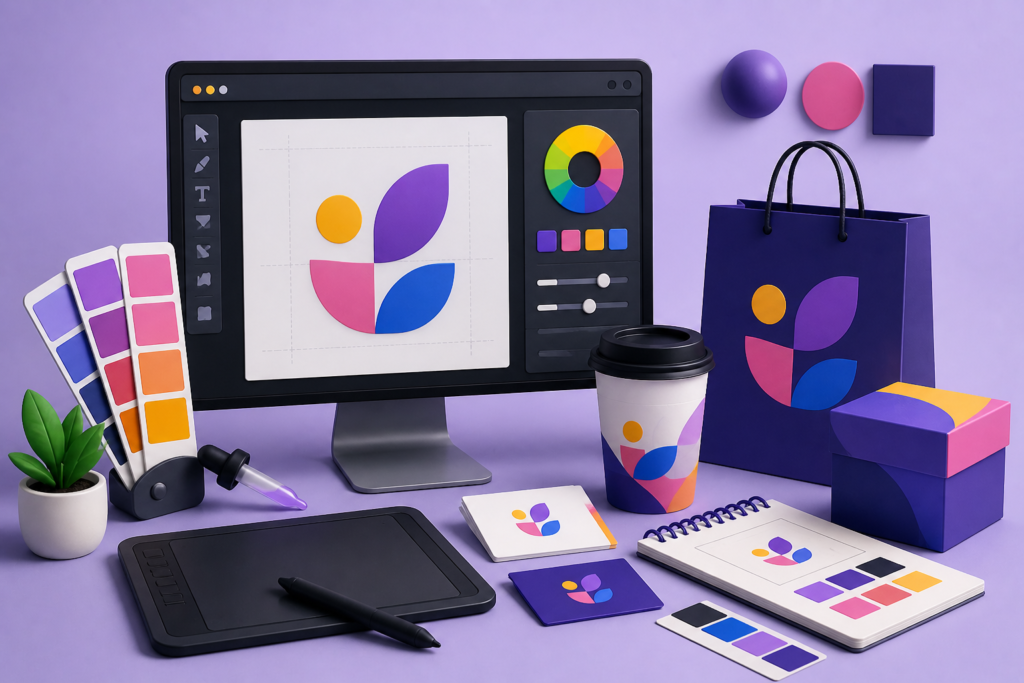
Customizing your WordPress theme allows you to create a distinct and memorable brand presence. While pre-built themes offer a foundation, customization ensures your site stands out in a competitive digital landscape.
Start with branding elements such as logo, color palette, and typography. Consistency across these elements strengthens brand recognition and improves user trust. Use customization tools provided by your theme or page builders to make changes efficiently.
Avoid over-customization that compromises performance. Adding excessive animations, scripts, or heavy design elements can slow down your site. Focus on clean, user-friendly design that enhances usability and aligns with your brand goals.
Plugin Management: Avoiding Conflicts and Performance Issues
Proper plugin management is essential for maintaining a stable and efficient website. Plugin conflicts occur when multiple plugins attempt to perform similar functions or interfere with each other’s code.
To prevent issues, install only necessary plugins and regularly audit your plugin list. Remove unused or redundant plugins to reduce load on your server. Keeping plugins updated ensures compatibility and security.
Testing is critical. Before installing a new plugin, check its compatibility with your theme and existing plugins. Use a staging environment to test changes before applying them to your live site.
Performance Optimization with Themes and Plugins
Website speed plays a crucial role in user experience and SEO. Optimizing your themes and plugins is essential for achieving fast load times and high performance scores.
Choose lightweight themes and avoid plugins that load unnecessary scripts. Use caching and image optimization plugins to reduce load times. Minifying CSS and JavaScript files also improves performance.
Additionally, implement lazy loading for images and videos. This ensures that media files load only when needed, reducing initial page load time. A performance-focused approach ensures your website meets modern speed standards.
Security Considerations for WordPress Themes and Plugins
Security is one of the most critical aspects of managing WordPress themes and plugins, yet it is often overlooked until something goes wrong. Every theme and plugin installed on your website introduces potential entry points for vulnerabilities. That’s why choosing secure, well-maintained tools is essential for protecting your site, data, and users.
Start by downloading themes and plugins only from trusted sources such as the official WordPress repository or reputable developers. Avoid nulled or pirated versions, as they often contain hidden malware or backdoors. According to Google Search Security Guidelines, compromised websites can lose rankings or even be removed from search results, making security a direct SEO factor.
Regular updates play a crucial role in maintaining security. Developers frequently release patches to fix vulnerabilities, so keeping your themes and plugins updated ensures your site remains protected. Additionally, implementing security plugins, firewalls, and malware scanning tools adds an extra layer of defense, helping you proactively identify and resolve threats.
SEO Optimization Using Themes and Plugins
Search engine optimization is deeply influenced by how your themes and plugins are structured. A poorly coded theme can hinder crawling and indexing, while optimized tools can significantly improve your visibility in search results.
Choose themes that follow clean coding standards and proper HTML structure. This ensures better compatibility with search engine crawlers. Referencing Google SEO Starter Guide, having a well-structured site improves indexing and enhances your chances of ranking for competitive keywords.
SEO plugins provide advanced capabilities such as meta tag management, XML sitemaps, and schema markup. These features help search engines understand your content better and improve click-through rates. Additionally, optimizing images, headings, and internal linking structures ensures a holistic SEO approach.
Remember, SEO is not just about plugins—it’s about how effectively you use them in combination with a well-optimized theme. A strategic approach ensures long-term growth and sustainable rankings.
Mobile Responsiveness and User Experience
With the majority of web traffic coming from mobile devices, ensuring mobile responsiveness is no longer optional—it’s essential. Your WordPress theme must adapt seamlessly to different screen sizes and devices to provide a consistent user experience.
Responsive themes automatically adjust layouts, images, and navigation for mobile users. This improves usability and reduces bounce rates. According to Google Mobile-Friendly Guidelines, mobile optimization is a ranking factor, making it crucial for SEO success.
Plugins also play a role in enhancing mobile experience. For example, performance optimization plugins ensure faster load times on mobile networks, while UI enhancement plugins improve navigation and accessibility.
A mobile-first approach ensures your website meets user expectations and aligns with modern browsing behavior, ultimately improving engagement and conversions.
Regular Updates and Maintenance Strategy
Maintaining your WordPress themes and plugins is an ongoing process that ensures stability, security, and performance. Neglecting updates can lead to compatibility issues, broken features, and increased vulnerability to attacks.
Create a maintenance schedule that includes checking for updates, testing changes, and backing up your website. Updates should always be tested in a staging environment before deployment to avoid unexpected issues on your live site.
Consistent maintenance also improves performance. Updated themes and plugins are often optimized for speed and efficiency, ensuring your website remains competitive. A proactive approach to maintenance reduces downtime and enhances user trust.
Compatibility and Scalability Considerations
As your website grows, your themes and plugins must support scalability. Compatibility issues can arise when adding new features or integrating third-party tools, making it essential to choose flexible and future-proof solutions.
Opt for themes and plugins that follow WordPress coding standards and are regularly updated. This ensures compatibility with the latest WordPress versions and other tools. Scalable solutions allow you to expand your website without major redesigns or disruptions.
Additionally, consider hosting environments and server capabilities. A scalable website requires a strong foundation, including optimized themes and efficient plugins that can handle increased traffic and functionality demands.
Custom Development vs Pre-Built Solutions
When building a WordPress site, you must decide between custom development and pre-built themes and plugins. Each approach has its advantages and trade-offs.
Pre-built solutions are cost-effective and quick to implement. They provide ready-made designs and features, making them ideal for small to medium projects. However, they may include unnecessary features that impact performance.
Custom development offers complete control over design and functionality. It allows you to create tailored solutions that meet specific requirements. While it requires a higher investment, it ensures optimal performance, scalability, and uniqueness.
Choosing between the two depends on your goals, budget, and technical expertise. A hybrid approach—using lightweight themes with selective customizations—often delivers the best results.
Future Trends in WordPress Themes and Plugins
The WordPress ecosystem continues to evolve, with new trends shaping how themes and plugins are developed and used. Staying updated with these trends ensures your website remains competitive and future-ready.
One major trend is the rise of block-based themes and full-site editing, allowing users to customize every aspect of their site visually. This reduces reliance on complex page builders and improves performance.
Another trend is the integration of AI-powered plugins, which enhance content creation, SEO optimization, and user engagement. Additionally, performance-focused development practices, such as minimalistic design and optimized code, are becoming standard.
Embracing these trends ensures your website stays ahead of the curve, delivering modern experiences and maintaining strong search engine rankings.
Common Mistakes to Avoid with WordPress Themes and Plugins
One of the most common mistakes is installing too many plugins without evaluating their necessity. This leads to performance issues, conflicts, and security risks. Always prioritize quality over quantity and ensure each plugin serves a clear purpose.
Another mistake is choosing themes based solely on design rather than performance and usability. A visually appealing theme that is poorly coded can negatively impact your site’s speed and SEO.
Failing to update themes and plugins regularly is also a critical error. Outdated tools are a major cause of security breaches and compatibility issues. Implementing a structured maintenance routine helps prevent these problems.
Best Practices Summary
To effectively manage WordPress themes and plugins, focus on performance, security, and scalability. Choose lightweight, well-coded themes and install only essential plugins. Regular updates and maintenance ensure long-term stability.
Prioritize user experience by optimizing for speed, mobile responsiveness, and accessibility. Use SEO best practices to enhance visibility and drive organic traffic. Always test changes in a staging environment before applying them to your live site.
By following these best practices, you can build a reliable, high-performing WordPress website that meets modern standards and user expectations.
FAQs
1. What is the difference between a WordPress theme and a plugin?
A theme controls the design and layout of your website, while a plugin adds functionality such as SEO tools, security features, or contact forms.
2. How many plugins should I install on my WordPress site?
There is no fixed number, but it’s best to install only essential plugins to avoid performance issues and conflicts.
3. Are premium themes worth the investment?
Yes, premium themes often provide better design, support, and performance optimization, making them a valuable investment for businesses.
4. How often should I update my themes and plugins?
You should check for updates regularly and apply them as soon as they are available, preferably after testing in a staging environment.
5. Can plugins slow down my website?
Yes, poorly coded or excessive plugins can increase load times and impact performance.
6. How do I ensure my theme is SEO-friendly?
Choose themes with clean code, fast loading speeds, and compatibility with SEO plugins.
7. What should I do if a plugin causes a conflict?
Deactivate the plugin and test your site to identify the issue. Replace it with a compatible alternative if necessary.
8. Is it safe to use free plugins?
Yes, as long as they are downloaded from trusted sources and regularly updated.
Conclusion
Mastering WordPress themes and plugins is essential for building a fast, secure, and scalable website. From choosing the right tools to optimizing performance and maintaining security, every decision plays a crucial role in your website’s success.
At WP Maintenance Service, we understand the importance of using the right combination of themes and plugins to achieve long-term growth. By following the strategies and best practices outlined in this guide, you can create a powerful WordPress website that delivers exceptional user experience and strong search engine performance.
Want to Implement This Easily?
Prompt:
You are an expert consultant. Based on the blog post titled “(WordPress Themes and Plugins)”, provide a step-by-step, practical implementation guide. Include tools, best practices, common mistakes to avoid, and advanced tips. Assume the reader wants to implement everything discussed in this article effectively.
Call to Action:
Want our help implementing this? Just reach out to us via our website contact form: https://www.wpmaintenanceservice.com/contact-us/