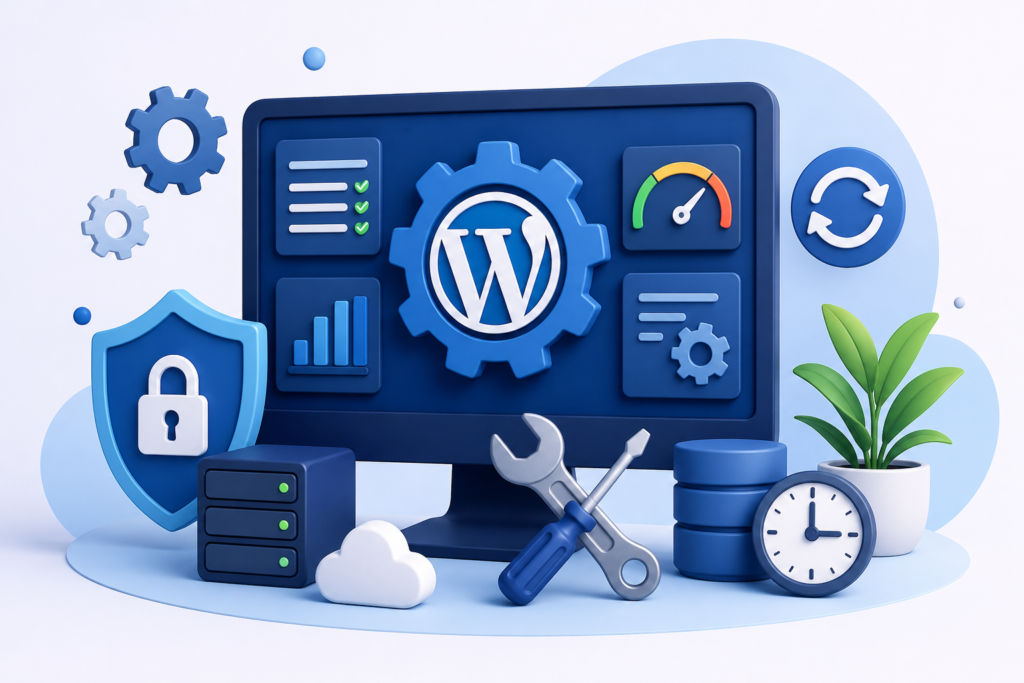
WordPress Maintenance is the key to keeping your website secure, fast, optimized, and reliable. Discover expert strategies for updates, backups, security, performance optimization, monitoring, and ongoing maintenance to maximize your website’s long-term success.
Introduction
Launching a WordPress website is only the first step toward building a successful online presence. Whether you manage a business website, eCommerce store, portfolio, membership platform, or blog, your website requires continuous attention to remain secure, fast, and fully functional. WordPress Maintenance ensures your website performs at its best while protecting it from security vulnerabilities, compatibility issues, and unexpected downtime.
At WP Maintenance Service, we believe proactive maintenance is one of the smartest investments any website owner can make. A properly maintained website not only provides an excellent user experience but also improves search engine visibility, increases customer trust, and reduces the likelihood of expensive technical problems. Instead of waiting until something breaks, routine maintenance helps identify and resolve potential issues before they impact your visitors.
This comprehensive guide explains everything you need to know about WordPress maintenance, including software updates, security, backups, performance optimization, database management, uptime monitoring, troubleshooting, and ongoing best practices. Throughout this guide, we also reference trusted resources such as Google Search Essentials, Core Web Vitals, and WordPress Hardening Guide to help you follow industry-recognized standards.
Why WordPress Maintenance Is Essential for Every Website
Many website owners mistakenly assume that once their website goes live, the majority of the work is complete. In reality, launching your website is only the beginning. WordPress is an actively developed content management system, and its ecosystem of themes, plugins, and integrations continues to evolve. Without ongoing maintenance, your website gradually becomes more vulnerable to security threats, slower performance, compatibility conflicts, and poor search engine rankings.
Regular WordPress maintenance acts as preventative care for your website. Rather than fixing problems after they occur, maintenance focuses on preventing them entirely. Updating software, monitoring website health, scanning for malware, optimizing databases, checking backups, and reviewing website performance all contribute to a stable and reliable online presence. This proactive approach reduces downtime, improves visitor satisfaction, and minimizes emergency repair costs.
Website maintenance also supports long-term SEO success. Search engines favor websites that load quickly, remain accessible, and deliver a positive user experience. Routine maintenance helps improve page speed, eliminates technical errors, fixes broken links, and ensures your website continues meeting Google’s quality expectations. Investing in maintenance today protects both your website’s reputation and your business growth tomorrow.
What Does WordPress Maintenance Include?
Many people think WordPress maintenance simply means installing plugin updates. In reality, effective maintenance involves a complete strategy that keeps every part of your website operating efficiently. A professional maintenance plan includes updating WordPress core files, themes, plugins, performing malware scans, optimizing website speed, monitoring uptime, checking backups, reviewing security logs, cleaning databases, fixing broken links, and testing website functionality after every significant change.
Software updates remain one of the most important maintenance activities. Developers regularly release updates to patch security vulnerabilities, improve compatibility, enhance performance, and introduce new features. However, updates should always be performed carefully. Creating a complete backup before updating and testing major changes on a staging website significantly reduces the risk of compatibility issues affecting your live website.
Maintenance also includes monitoring the health of your hosting environment. Administrators should regularly review server resources, PHP versions, SSL certificates, disk usage, error logs, and website analytics. Identifying problems early prevents them from becoming larger issues that could interrupt your business operations or negatively affect customer experience.
Keeping WordPress Updated Safely
Keeping WordPress updated is one of the most effective ways to maintain a secure and reliable website. Every update released by WordPress developers includes important bug fixes, security improvements, compatibility enhancements, or performance optimizations. Ignoring updates leaves your website exposed to vulnerabilities that attackers actively search for across the internet.
Before applying any update, always create a verified backup of your website files and database. Whenever possible, test updates on a staging environment instead of updating your live website immediately. This allows you to identify conflicts between plugins, themes, or custom code before visitors experience any issues. After updates are complete, carefully test essential website functions including forms, navigation, login pages, payment gateways, and contact forms.
A structured update process minimizes downtime while ensuring your website benefits from the latest improvements. Instead of viewing updates as a routine task, consider them a critical investment in your website’s security, reliability, and long-term performance.
Optimizing Website Performance for Better Speed and User Experience
Website speed is one of the most important factors affecting user experience, search engine visibility, and conversion rates. Visitors expect pages to load quickly, and even a slight delay can increase bounce rates and reduce customer satisfaction. WordPress maintenance should always include regular performance optimization to ensure every page loads efficiently across desktops, tablets, and mobile devices.
One of the first steps in improving performance is optimizing images. Large, uncompressed images often slow down websites significantly. Converting images to modern formats such as WebP, compressing files without sacrificing quality, and implementing lazy loading can dramatically improve loading times. In addition, enabling browser caching, server-side caching, and content delivery networks (CDNs) reduces the time required to deliver website assets to visitors around the world.
Website owners should also regularly test performance using Google PageSpeed Insights. Another valuable resource is Core Web Vitals, which explains the metrics Google uses to evaluate page experience. Regular performance monitoring ensures your website continues meeting modern speed expectations while providing visitors with a smooth browsing experience.
The Importance of Regular Website Backups
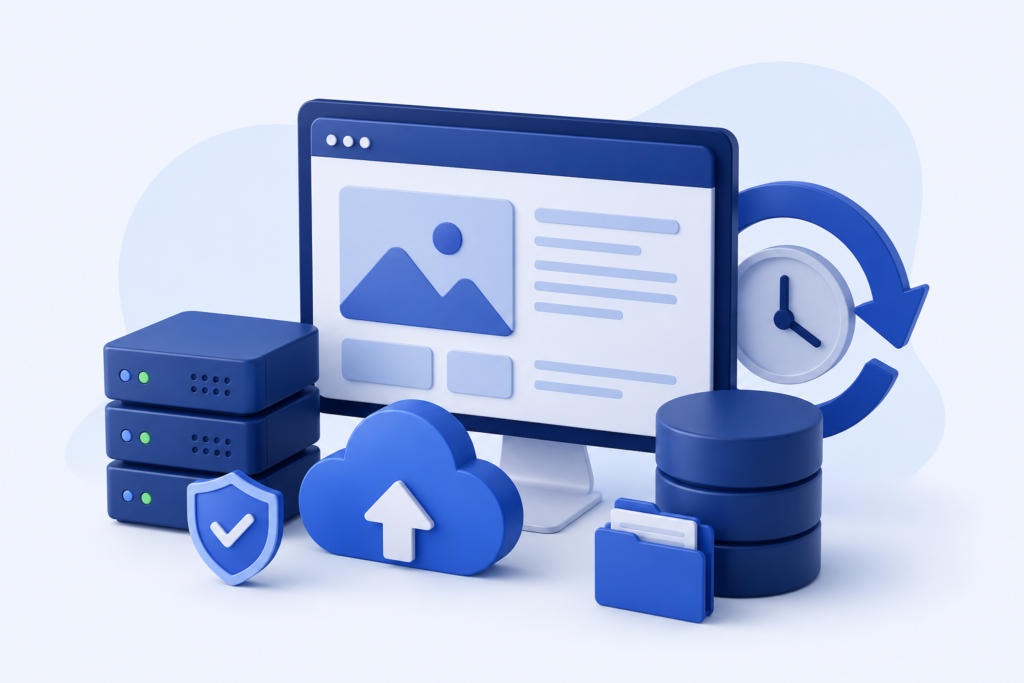
Backups are one of the most valuable components of WordPress maintenance because they provide a safety net against unexpected problems. Whether caused by accidental deletion, malware, server failure, software conflicts, or human error, website issues can occur without warning. A complete backup allows administrators to restore the website quickly while minimizing downtime and protecting valuable business data.
A proper backup includes both website files and the WordPress database. Storing backups only on the same hosting account is risky because server failures or security incidents may affect both the live website and the backup simultaneously. Instead, backups should also be stored in secure cloud storage or another off-site location. Automated daily or weekly backups provide additional protection while reducing manual effort.
Equally important is testing backups regularly. Many website owners discover their backups are incomplete only after an emergency occurs. Periodically restoring backups in a staging environment verifies that the files are functional and can be used successfully when needed. Reliable backups transform potentially catastrophic situations into manageable recovery processes.
Strengthening Website Security Through Ongoing Maintenance
Cybersecurity threats continue evolving, making website security an essential part of every maintenance strategy. Automated bots constantly scan websites looking for outdated plugins, weak passwords, exposed login pages, and vulnerable themes. Even small websites can become targets because attacks are often automated rather than manually directed.
Strong passwords, multi-factor authentication, secure hosting, regular software updates, malware scanning, web application firewalls, and login protection collectively create multiple layers of defense. Website administrators should also remove inactive plugins, delete unused themes, restrict administrator privileges, and monitor security logs for unusual activity.
The official WordPress Hardening Guide provides comprehensive security recommendations.
Website owners should also stay informed about official WordPress security.
Consistent security maintenance significantly reduces the risk of malware infections, unauthorized access, and data breaches while protecting customer trust and business reputation.
Database Optimization and Cleanup
Over time, every WordPress database accumulates unnecessary information. Post revisions, spam comments, expired transients, orphaned metadata, and unused tables gradually increase database size. As the database grows, queries become slower, potentially affecting website performance and administrative responsiveness.
Routine database optimization removes unnecessary data while improving efficiency. Cleaning post revisions, deleting spam comments, optimizing database tables, removing unused plugin data, and eliminating orphaned records all contribute to faster database operations. These maintenance activities also reduce storage requirements and improve backup performance.
Database optimization should always be performed carefully and only after creating a verified backup. Administrators should avoid deleting important information accidentally by reviewing cleanup operations before confirming changes. Regular optimization keeps WordPress responsive while supporting faster page generation and improved server efficiency.
Website Monitoring and Uptime Management
A website that appears online one moment and offline the next can negatively affect customer trust, search engine visibility, and business revenue. Continuous uptime monitoring is an essential component of WordPress maintenance because it alerts administrators immediately when problems occur. Instead of discovering an outage through customer complaints, proactive monitoring enables quick action before significant damage is done.
Website monitoring extends beyond simply checking whether a site is online. It also includes tracking server response times, SSL certificate validity, domain expiration dates, database health, broken pages, and critical website functions such as contact forms, login systems, and checkout pages. Regular monitoring helps identify trends that may indicate future performance or reliability issues, allowing administrators to address them before they impact users.
Another important aspect of monitoring is analyzing website traffic and user behavior. Google Search Console helps identify indexing issues, mobile usability problems, Core Web Vitals performance, and search visibility opportunities.
Monitoring should become part of a routine maintenance schedule, ensuring the website remains available, responsive, and capable of delivering an excellent user experience around the clock.
Plugin and Theme Management Best Practices
Plugins and themes extend the functionality and appearance of a WordPress website, but they also introduce potential risks if not managed properly. Installing unnecessary plugins, using abandoned themes, or ignoring software updates can lead to compatibility conflicts, slower performance, and security vulnerabilities. Effective WordPress maintenance includes regularly reviewing every installed plugin and theme to ensure it still serves a valuable purpose.
Website owners should remove inactive plugins and unused themes rather than simply deactivating them. Even inactive software may contain vulnerabilities if it remains installed. Before adding a new plugin, evaluate its update frequency, developer reputation, compatibility with the latest WordPress version, user reviews, and ongoing support. Choosing well-maintained plugins reduces long-term maintenance challenges and improves website stability.
After every plugin or theme update, administrators should test key website functionality, including forms, navigation menus, search features, payment gateways, and user accounts. This verification process helps detect compatibility issues early, ensuring visitors continue enjoying a seamless browsing experience while the website benefits from the latest improvements.
Common WordPress Maintenance Mistakes to Avoid
Even experienced website owners occasionally make maintenance mistakes that can lead to security issues, performance problems, or unexpected downtime. Recognizing these common errors helps create a more reliable maintenance strategy.
Ignoring software updates is one of the most common mistakes. Delaying WordPress core, plugin, or theme updates leaves websites vulnerable to known security exploits. Updates should always be performed promptly after testing and backing up the website.
Skipping regular backups creates unnecessary risk. Without reliable backups, recovering from malware, accidental deletion, or server failure becomes much more difficult and expensive.
Installing too many plugins often results in slower performance, compatibility conflicts, and increased security exposure. Every plugin should provide genuine value and come from a reputable developer.
Using weak passwords or sharing administrator accounts increases the likelihood of unauthorized access. Strong, unique passwords and multi-factor authentication should be standard practice.
Ignoring website speed negatively affects user experience and SEO. Regular optimization of images, databases, and caching helps maintain fast loading times.
Failing to monitor website health means problems may remain unnoticed until visitors begin reporting them. Continuous monitoring allows administrators to respond quickly before minor issues become major outages.
Frequently Asked Questions
1. How often should WordPress maintenance be performed?
Basic maintenance tasks such as monitoring uptime, reviewing security alerts, and checking backups should occur weekly. Software updates, database optimization, and performance reviews should be completed at least monthly, while larger security audits are recommended every quarter.
2. Why are WordPress updates important?
Updates fix security vulnerabilities, improve compatibility, resolve software bugs, enhance performance, and introduce new features. Keeping WordPress updated significantly reduces security risks while maintaining website stability.
3. Can I perform WordPress maintenance myself?
Yes. Basic maintenance tasks can be handled by many website owners with the proper knowledge. However, businesses with mission-critical websites often benefit from professional maintenance services that provide continuous monitoring, proactive security, and expert troubleshooting.
4. How frequently should website backups be created?
Backup frequency depends on how often your website changes. Active eCommerce websites may require daily or even real-time backups, while informational websites can often use daily or weekly backup schedules.
5. Does WordPress maintenance improve SEO?
Yes. Regular maintenance improves page speed, website availability, Core Web Vitals, security, and technical health, all of which contribute to better search engine performance and user experience.
6. What happens if I skip website maintenance?
Neglecting maintenance increases the risk of malware infections, data loss, slower performance, broken functionality, plugin conflicts, poor SEO rankings, and costly emergency repairs.
7. Why should plugins be removed instead of simply deactivated?
Inactive plugins still exist within the website files and may contain security vulnerabilities. Removing unused plugins reduces attack surfaces and improves website organization.
8. What is the biggest benefit of ongoing WordPress maintenance?
The greatest advantage is prevention. Routine maintenance identifies and resolves issues before they affect visitors, protecting website performance, business reputation, customer trust, and long-term growth.
Best Practices Summary

Maintaining a WordPress website is an ongoing commitment rather than a one-time project. Following consistent maintenance practices ensures your website remains secure, fast, reliable, and prepared for future growth.
Best practices include:
- Keep WordPress core, plugins, and themes updated.
- Create automated and verified backups.
- Store backups in secure off-site locations.
- Monitor website uptime continuously.
- Optimize images and website performance regularly.
- Clean and optimize the database.
- Remove unused plugins and themes.
- Use strong passwords and multi-factor authentication.
- Monitor security logs and malware scans.
- Test website functionality after every update.
- Track website performance with Google tools.
- Perform regular technical audits.
By following these best practices, website owners reduce downtime, strengthen security, improve search engine visibility, and provide visitors with a consistently excellent experience.
Conclusion
WordPress Maintenance is one of the most valuable investments you can make for your website. Rather than reacting to technical issues after they occur, a proactive maintenance strategy helps prevent problems before they impact your business. From routine updates and security monitoring to backups, database optimization, and performance improvements, every maintenance task contributes to a faster, safer, and more reliable website.
At WP Maintenance Service, we believe that consistent maintenance is the foundation of long-term online success. A professionally maintained website not only delivers a better experience for visitors but also supports stronger search engine rankings, improved security, and greater business continuity. By implementing the strategies outlined in this guide, you can protect your website, improve performance, and confidently support future growth.
Want to Implement This Easily?
Prompt Text:
You are an expert consultant. Based on the blog post titled “WordPress Maintenance”, provide a step-by-step, practical implementation guide. Include recommended tools, best practices, common mistakes to avoid, troubleshooting advice, security recommendations, performance optimization techniques, backup strategies, monitoring procedures, and advanced maintenance tips. Assume the reader wants to implement everything discussed in this article effectively while following current industry standards.
Call to Action:
Want our help implementing this? Just reach out to us via our website contact form: