Maintain WordPress effectively with proven strategies for security, speed, uptime, and long-term website growth. Learn expert-level WordPress maintenance techniques.
Introduction
Maintaining a WordPress website is not just a technical responsibility—it is a strategic investment in your online success. Whether you run a business website, blog, or eCommerce store, regular WordPress maintenance ensures your site remains secure, fast, and fully functional. Without proper upkeep, even the most beautifully designed websites can become vulnerable to security threats, performance issues, and ranking drops.
At WP Maintenance Service, maintaining WordPress sites is treated as a continuous process rather than a one-time task. A well-maintained website not only enhances user experience but also signals trust and reliability to search engines. This plays a crucial role in improving your search rankings and driving organic traffic.
In this comprehensive guide, you’ll learn everything about maintaining WordPress—from core updates and backups to advanced performance optimization and security best practices. This is not generic advice; it is a deep, practical roadmap designed to align with modern SEO standards and Google’s E-E-A-T principles.
Understanding WordPress Maintenance and Why It Matters
Maintaining WordPress is the ongoing process of keeping your website updated, secure, optimized, and error-free. It involves multiple components such as plugin updates, theme management, database optimization, backups, and performance monitoring. Many website owners underestimate its importance until something breaks, which is often too late.
A neglected WordPress site can quickly become a target for hackers, suffer from slow loading speeds, or experience compatibility issues. These problems not only frustrate users but also negatively impact your rankings. According to Google’s performance standards, site speed and usability are critical ranking factors, making maintenance essential for SEO success.
From a business perspective, WordPress maintenance ensures continuity. Imagine losing your entire website due to a failed update or cyberattack—without backups and monitoring, recovery becomes extremely difficult. Regular maintenance eliminates such risks and ensures that your website operates smoothly at all times.
Core WordPress Updates: The Foundation of Stability
WordPress frequently releases updates for its core system to improve functionality, fix bugs, and patch security vulnerabilities. Ignoring these updates can expose your website to known threats. Keeping the WordPress core updated is one of the simplest yet most effective maintenance tasks.
Each update is carefully tested by the WordPress community, but conflicts can still occur if plugins or themes are outdated. This is why updates should always be performed strategically—preferably in a staging environment before applying them to the live site. This minimizes the risk of breaking functionality.
Additionally, updates often include performance enhancements and new features that improve user experience. By staying updated, you ensure your website remains compatible with modern web technologies and continues to meet evolving SEO standards.
Plugin and Theme Management for Long-Term Health
Plugins and themes are essential for extending WordPress functionality, but they can also become a major liability if not properly managed. Outdated or poorly coded plugins are among the most common causes of security breaches and site crashes.
Regularly reviewing installed plugins helps eliminate unnecessary ones that may slow down your website. Each plugin adds code that can affect performance, so maintaining a lean setup is crucial. Always choose plugins from reputable developers with consistent updates and strong user reviews.
Themes should also be updated regularly to ensure compatibility with the latest WordPress version. A well-maintained theme contributes to both performance and security, while outdated themes can introduce vulnerabilities and design inconsistencies.
Website Security: Protecting Your Digital Asset
Security is one of the most critical aspects of WordPress maintenance. Websites are constantly targeted by automated bots and malicious actors looking for vulnerabilities. Without proper security measures, your website can be hacked, leading to data loss, downtime, and reputational damage.
Implementing strong passwords, two-factor authentication, and login protection significantly reduces the risk of unauthorized access. Additionally, using security plugins and firewalls adds another layer of defense against threats.
Google emphasizes website security as part of its ranking criteria. Websites without HTTPS encryption are flagged as “Not Secure,” which can deter users. You can follow Google HTTPS best practices to ensure your site meets modern security standards.
Regular Backups: Your Safety Net
Backups are the backbone of any WordPress maintenance strategy. No matter how secure your website is, unexpected issues can still occur—ranging from server failures to human errors. Having a reliable backup ensures you can quickly restore your website without losing data.
A good backup strategy includes both automated and manual backups. Automated backups should run daily or weekly, depending on how frequently your content changes. Manual backups provide an additional layer of control before major updates or changes.
Backups should also be stored in multiple locations, such as cloud storage and external servers. This redundancy ensures that your data remains safe even if one storage option fails. Without backups, recovery becomes costly and time-consuming.
Performance Optimization for Speed and User Experience
Website speed is a critical factor for both user experience and SEO. Slow-loading websites lead to higher bounce rates and lower conversions. Maintaining WordPress performance involves optimizing images, enabling caching, and minimizing code.
Google’s Core Web Vitals guidelines provide clear benchmarks for performance. These metrics measure loading speed, interactivity, and visual stability—key indicators of a high-quality user experience.
Regular performance audits help identify bottlenecks and areas for improvement. Tools like caching plugins, content delivery networks (CDNs), and database optimization can significantly improve load times and overall site performance.
Database Optimization and Cleanup
Over time, your WordPress database accumulates unnecessary data such as post revisions, spam comments, and transient options. This clutter can slow down your website and affect performance.
Database optimization involves cleaning up this unnecessary data and organizing your database efficiently. Regular optimization reduces server load and improves response times, resulting in a smoother user experience.
Using reliable database optimization tools can automate this process, ensuring your database remains clean without manual intervention. However, always back up your database before making changes to avoid data loss.
Monitoring Website Uptime and Errors
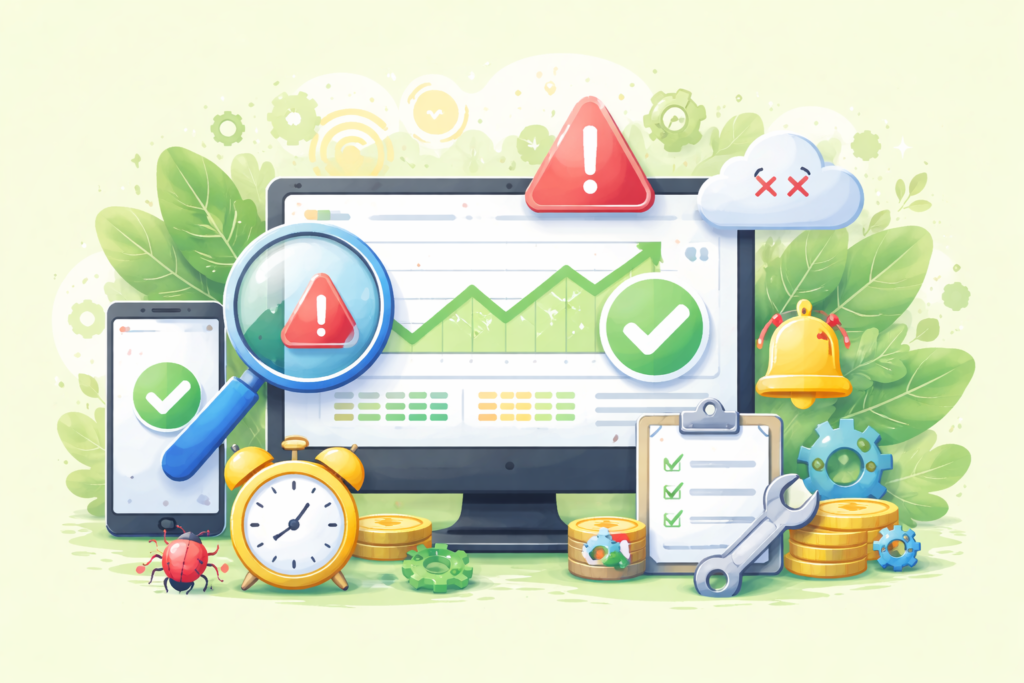
A website that is frequently down or experiencing errors can severely impact user trust and search rankings. Monitoring uptime ensures that you are immediately notified of any downtime or performance issues.
Error monitoring tools help identify issues such as broken links, server errors, and slow response times. Addressing these problems quickly prevents them from affecting your visitors and SEO performance.
Consistent monitoring also provides insights into your website’s overall health. By analyzing trends and patterns, you can proactively address potential issues before they escalate.
SEO Maintenance and Content Updates
SEO is not a one-time effort—it requires continuous optimization and updates. Maintaining WordPress includes regularly updating content, optimizing keywords, and ensuring your site aligns with current SEO best practices.
Search engines prioritize fresh, relevant content. Updating existing posts with new information, improved structure, and updated keywords can significantly boost rankings. Internal linking also plays a crucial role in improving site structure and user navigation.
For official SEO guidance, refer to Google Search Essentials. This ensures your optimization strategies align with Google’s standards and avoid penalties.
Mobile Optimization and Responsiveness
With the majority of users accessing websites via mobile devices, maintaining mobile responsiveness is essential. A mobile-friendly website ensures a seamless experience across different screen sizes and devices.
Google uses mobile-first indexing, meaning it primarily evaluates the mobile version of your website for ranking. Poor mobile performance can negatively impact your SEO and user engagement.
Regular testing on various devices helps identify design and usability issues. Optimizing images, fonts, and layouts ensures your website remains accessible and user-friendly on all platforms.
Advanced WordPress Maintenance Strategies for Scalability
As your website grows, basic maintenance is no longer enough—you need advanced strategies that support scalability, performance under load, and long-term sustainability. Maintaining WordPress at this level involves proactive planning rather than reactive fixes. This includes implementing staging environments, version control systems, and performance monitoring tools that allow you to manage growth without disruptions.
A staging environment is especially important when making major updates or design changes. It allows you to test everything safely before deploying to your live site. This eliminates risks such as broken layouts, plugin conflicts, or downtime. Businesses that rely on consistent uptime cannot afford trial-and-error on live environments, making staging a critical maintenance component.
Scalability also requires infrastructure optimization. As traffic increases, your hosting environment must handle the load efficiently. This may involve upgrading to managed hosting, integrating a CDN, or optimizing server configurations. These strategies ensure your WordPress site remains fast, stable, and responsive—even during traffic spikes.
Continuous Security Monitoring and Threat Prevention
Security is not a one-time setup—it is an ongoing process that requires continuous monitoring. Hackers constantly evolve their methods, so your defenses must evolve as well. Maintaining WordPress security involves real-time monitoring, vulnerability scanning, and proactive threat detection.
Security monitoring tools can alert you to suspicious activity such as unauthorized login attempts, malware injections, or unusual traffic spikes. Acting quickly on these alerts can prevent minor issues from escalating into major breaches. Regular malware scans and firewall configurations further strengthen your website’s defenses.
Following industry standards is essential for maintaining trust and compliance. You can review Google Safe Browsing guidelines to understand how Google identifies and flags compromised websites. Ensuring your site meets these standards protects both your users and your search rankings.
Content Management and User Experience Enhancements
Maintaining WordPress is not limited to technical tasks—it also involves improving content quality and user experience. High-quality content that is regularly updated keeps visitors engaged and encourages repeat visits. This aligns with Google’s emphasis on helpful, people-first content.
User experience (UX) plays a major role in how visitors interact with your website. Factors such as navigation, readability, and page structure directly impact engagement metrics like bounce rate and time on site. Maintaining WordPress includes refining these elements to ensure a smooth and intuitive experience.
Additionally, accessibility should be a priority. Ensuring your website is usable for all users, including those with disabilities, not only expands your audience but also aligns with modern web standards. Regular audits and improvements in UX and accessibility contribute to long-term growth and credibility.
Analytics, Reporting, and Data-Driven Improvements
Data is the backbone of effective WordPress maintenance. Without analytics, you are essentially operating in the dark. Monitoring website performance through analytics tools provides valuable insights into user behavior, traffic sources, and conversion rates.
Regular reporting helps you identify what is working and what needs improvement. For example, if certain pages have high bounce rates, it may indicate issues with content relevance or page speed. Addressing these insights ensures continuous optimization and better results over time.
Google recommends using structured data and performance tracking tools to enhance visibility. You can explore Google Analytics best practices to ensure accurate tracking and meaningful insights. Data-driven decisions are essential for maintaining a competitive edge in today’s digital landscape.
Future-Proofing Your WordPress Website
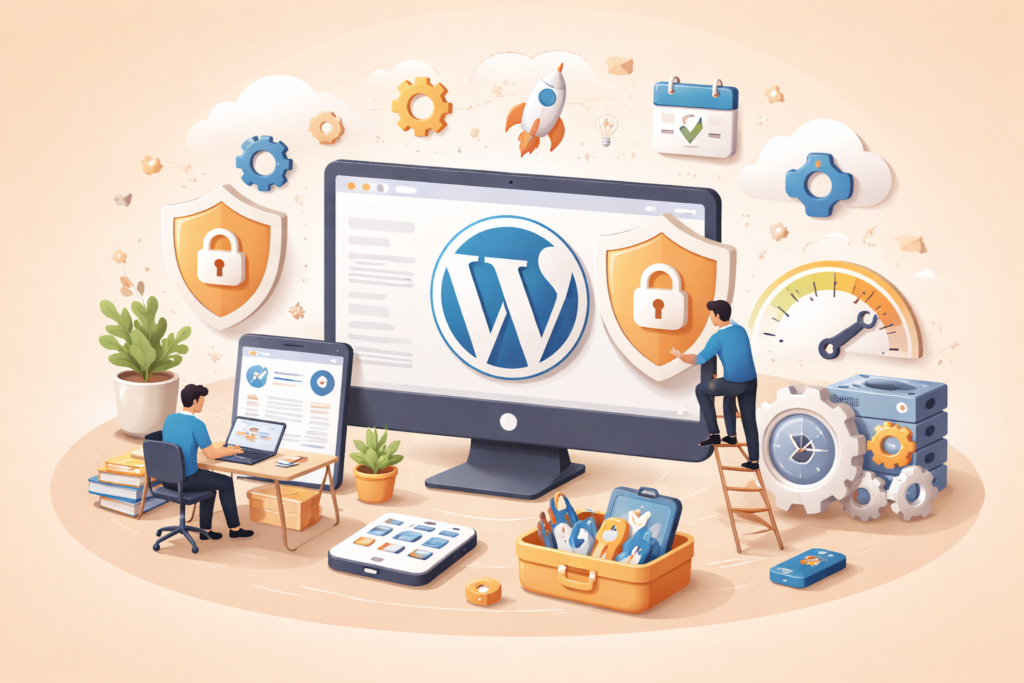
Technology evolves rapidly, and maintaining WordPress means staying ahead of these changes. Future-proofing your website involves adopting new technologies, staying updated with industry trends, and continuously improving your processes.
This includes preparing for updates in search algorithms, adopting new performance standards, and integrating emerging technologies such as AI and automation. Websites that adapt quickly to changes are more likely to maintain their rankings and user engagement.
Future-proofing also involves continuous learning and improvement. Regularly reviewing your maintenance strategy ensures it remains effective and aligned with current best practices. By staying proactive, you can ensure your WordPress site remains relevant, secure, and high-performing in the long run.
Common WordPress Maintenance Mistakes to Avoid
One of the most common mistakes is ignoring updates. Many website owners delay updates out of fear of breaking their site, but this increases the risk of security vulnerabilities. Regular updates, when done properly, actually reduce risks and improve performance.
Another major mistake is not having a proper backup strategy. Without backups, even a small error can result in significant data loss. Relying on a single backup location or infrequent backups can be just as risky as having none at all.
Overloading your website with plugins is also a frequent issue. Too many plugins can slow down your site and increase the chances of conflicts. Maintaining a clean and optimized plugin environment is essential for performance and stability.
Best Practices Summary for Maintaining WordPress
Maintaining WordPress effectively requires a combination of consistency, strategy, and attention to detail. Regular updates, strong security measures, and reliable backups form the foundation of a well-maintained website.
Performance optimization should be an ongoing process. This includes monitoring Core Web Vitals, optimizing images, and using caching solutions. A fast website not only improves user experience but also boosts search rankings.
Finally, continuous learning and adaptation are key. Staying updated with industry trends and best practices ensures your maintenance strategy remains effective. A proactive approach to maintenance leads to long-term success and growth.
FAQs
1. How often should I maintain my WordPress website?
WordPress maintenance should be performed regularly, ideally on a weekly basis. This includes updates, backups, and performance checks. Critical websites may require daily monitoring to ensure optimal performance and security.
2. Is WordPress maintenance necessary for small websites?
Yes, even small websites require maintenance. Security threats and performance issues can affect any website, regardless of size. Regular maintenance ensures your site remains functional and secure.
3. Can I automate WordPress maintenance tasks?
Many maintenance tasks can be automated, such as backups, updates, and security scans. However, manual oversight is still necessary to handle complex issues and ensure everything runs smoothly.
4. What happens if I don’t maintain my WordPress site?
Neglecting maintenance can lead to security breaches, slow performance, broken functionality, and loss of search rankings. In severe cases, your website may become completely inaccessible.
5. How do backups help in WordPress maintenance?
Backups allow you to restore your website in case of data loss, hacking, or technical issues. They act as a safety net, ensuring you can recover quickly without major disruptions.
6. What are the best tools for WordPress maintenance?
Popular tools include security plugins, backup solutions, caching plugins, and analytics platforms. The choice depends on your website’s specific needs and complexity.
7. Does WordPress maintenance affect SEO?
Yes, maintenance directly impacts SEO. Factors such as site speed, uptime, and security influence your rankings. Regular maintenance ensures your site meets Google’s standards.
8. Should I hire a professional for WordPress maintenance?
If you lack technical expertise or manage a complex website, hiring a professional can save time and reduce risks. It ensures your website is maintained according to industry best practices.
Conclusion
Maintaining WordPress is not just a technical necessity—it is a strategic approach to ensuring your website’s success. From security and performance to SEO and user experience, every aspect of maintenance contributes to your site’s overall effectiveness.
At WP Maintenance Service, the focus is on delivering consistent, high-quality maintenance that aligns with modern standards and business goals. A well-maintained website builds trust, improves rankings, and provides a seamless experience for users.
By implementing the strategies outlined in this guide, you can ensure your WordPress website remains secure, fast, and ready for future growth. The key is consistency, attention to detail, and a commitment to continuous improvement.
Want to Implement This Easily?
Prompt:
You are an expert consultant. Based on the blog post titled “(Maintain WordPress)”, provide a step-by-step, practical implementation guide. Include tools, best practices, common mistakes to avoid, and advanced tips. Assume the reader wants to implement everything discussed in this article effectively.
Call to Action:
Want our help implementing this? Just reach out to us via our website contact form: https://www.wpmaintenanceservice.com/contact-us/