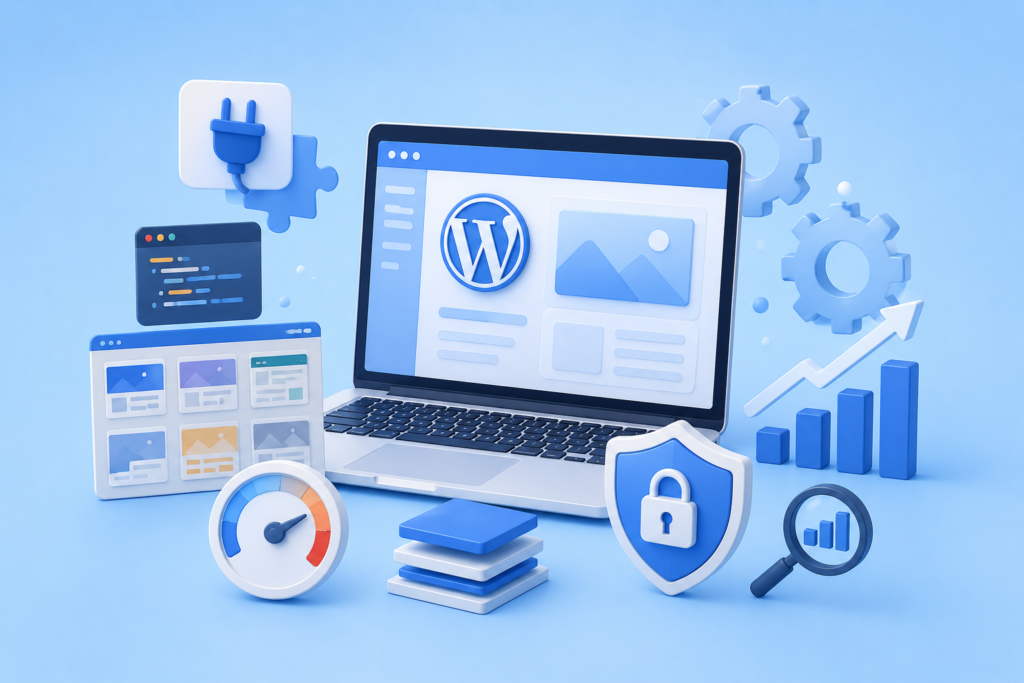
WordPress Plugin and Theme Optimization Guide: Learn how to choose, manage, secure, and optimize WordPress plugins and themes for performance, security, and SEO success.
Introduction
In today’s competitive digital landscape, WordPress powers a massive portion of the internet, making it essential for businesses and individuals to fully understand how to manage their websites effectively. A critical part of this management lies in handling WordPress plugins and themes—the building blocks that define your website’s functionality, design, and performance.
Whether you’re running a business website, an eCommerce store, or a blog, the right combination of plugins and themes can dramatically enhance your site’s capabilities. However, poor choices or improper management can lead to security vulnerabilities, slow loading times, and SEO penalties.
At WP Maintenance Service, we understand the importance of maintaining a well-optimized WordPress environment. This comprehensive guide explores everything you need to know about plugins and themes—from selection and installation to optimization and long-term maintenance—while aligning with Google’s best practices, performance standards, and E-E-A-T principles.
Understanding WordPress Plugins and Themes
WordPress plugins and themes serve as the foundation of any WordPress website. While themes control the visual appearance and layout, plugins extend the functionality and features of your site. Together, they create a fully customized user experience without requiring deep coding knowledge.
Plugins act like apps for your website. Whether you want to improve SEO, enhance security, optimize speed, or add contact forms, plugins make it possible. Themes, on the other hand, define your brand’s identity by controlling colors, typography, layouts, and responsiveness across devices. Choosing the right combination is crucial for long-term success.
It’s important to understand that not all plugins and themes are created equal. Some are lightweight and optimized, while others can introduce performance bottlenecks or security risks. According to Google’s Core Web Vitals guidelines, website performance directly impacts rankings and user experience. This makes it essential to evaluate plugins and themes carefully before implementation.
How to Choose the Right WordPress Theme
Selecting the right WordPress theme is more than just picking a visually appealing design. A good theme must be fast, responsive, SEO-friendly, and compatible with modern browsers and plugins. Many website owners make the mistake of choosing themes based solely on appearance, ignoring technical performance.
A high-quality theme should follow Google Page Experience guidelines and be optimized for speed. Lightweight themes reduce server load and improve loading times, which is critical for both user experience and SEO rankings. Additionally, mobile responsiveness is no longer optional—it’s a requirement, as Google uses mobile-first indexing.
Another important factor is regular updates and developer support. Themes that are frequently updated are more secure and compatible with the latest WordPress versions. Always check reviews, ratings, and documentation before selecting a theme. Avoid nulled or pirated themes, as they often contain malicious code that can compromise your website.
Essential WordPress Plugins Every Website Needs
Every WordPress website requires a set of essential plugins to function effectively. These include plugins for SEO, security, caching, backups, and performance optimization. However, the key is not to install too many plugins, but to choose high-quality ones that serve specific purposes.
For SEO, plugins help optimize meta tags, sitemaps, and content structure. According to Google Search Central documentation, structured data and proper indexing are crucial for visibility in search results. Security plugins protect against malware, brute-force attacks, and unauthorized access.
Caching and performance plugins significantly improve website speed by reducing server requests and optimizing resources. Backup plugins ensure that your data is safe and can be restored in case of failure. By focusing on essential plugins only, you can maintain a lean and efficient WordPress setup.
Plugin and Theme Compatibility: Why It Matters
One of the most overlooked aspects of WordPress management is compatibility between plugins and themes. When multiple plugins interact with each other or with your theme, conflicts can arise, leading to broken layouts, errors, or even site crashes.
Compatibility issues often occur when plugins are outdated or not tested with the latest WordPress version. This is why it’s important to follow WordPress official plugin guidelines and ensure that all components are regularly updated. Testing updates in a staging environment before applying them to a live site is highly recommended.
Another best practice is to avoid redundant plugins that perform similar functions. This reduces the risk of conflicts and improves performance. A well-maintained website with compatible plugins and themes ensures stability, reliability, and a better user experience.
Impact of Plugins and Themes on Website Speed
Website speed is a critical ranking factor and directly influences user engagement. Poorly coded plugins and heavy themes can significantly slow down your website, leading to higher bounce rates and lower conversions.
According to Google PageSpeed Insights, optimizing resources such as CSS, JavaScript, and images is essential for faster loading times. Many themes come with unnecessary features and scripts that increase page size. Similarly, plugins that load scripts on every page can create performance bottlenecks.
To improve speed, choose lightweight themes and limit plugin usage. Use performance optimization tools such as caching, image compression, and lazy loading. Regular performance audits help identify and eliminate slow-performing plugins, ensuring your website remains fast and efficient.
Security Risks Associated with Plugins and Themes
Security is one of the most important aspects of WordPress management. Plugins and themes are common entry points for hackers, especially if they are outdated or poorly coded. Vulnerabilities can lead to data breaches, malware infections, and loss of user trust.
Following Google Safe Browsing guidelines is essential to ensure your website remains secure and trustworthy. Always download plugins and themes from reputable sources such as the official WordPress repository or trusted developers. Avoid using nulled versions, as they often contain hidden malware.
Regular updates, strong passwords, and security plugins can significantly reduce risks. Additionally, conducting routine security scans and monitoring suspicious activity helps prevent potential threats. A secure website not only protects your data but also improves your search engine rankings.
Best Practices for Installing Plugins and Themes
Installing plugins and themes correctly is crucial for maintaining a stable WordPress environment. Before installation, always evaluate the plugin or theme for reviews, ratings, update history, and compatibility.
It is recommended to install only the necessary plugins and avoid clutter. Each plugin adds code to your website, which can impact performance and security. Following WordPress best practices, you should test new installations in a staging environment before deploying them live.
Another important step is to configure plugins properly after installation. Many plugins come with default settings that may not be optimized for your website. Taking the time to customize settings ensures better performance and functionality.
Updating Plugins and Themes Safely
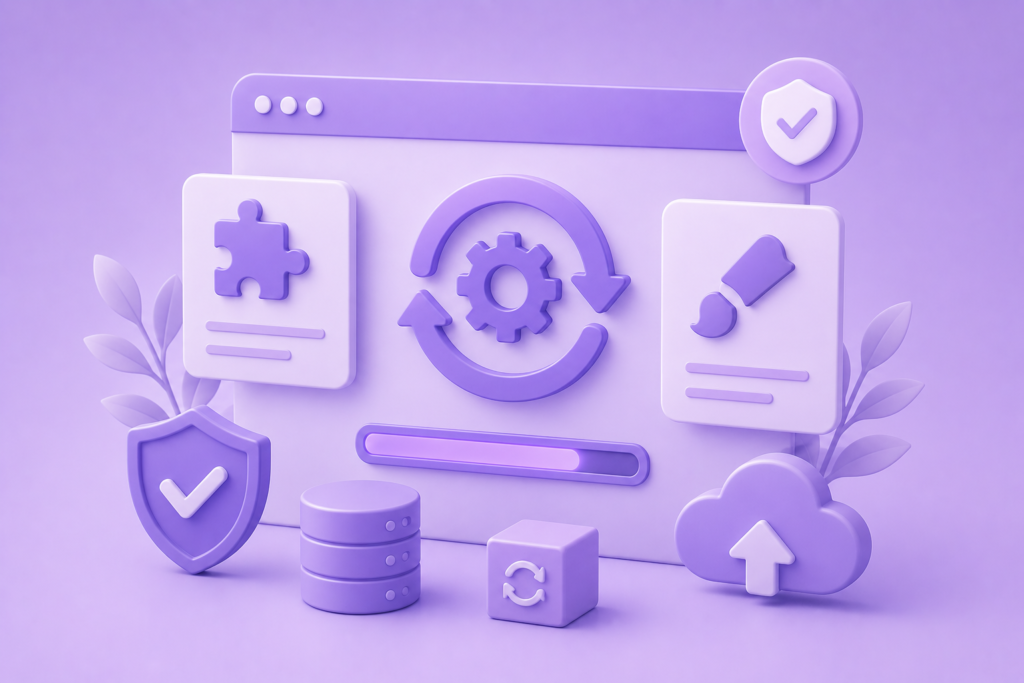
Keeping plugins and themes updated is essential for security and performance. Updates often include bug fixes, new features, and security patches. However, updating without proper precautions can sometimes break your website.
Before updating, always create a full backup of your website. This allows you to restore your site in case something goes wrong. According to WordPress maintenance guidelines, updates should be tested in a staging environment to identify potential issues.
It’s also important to update regularly rather than delaying updates for too long. Outdated plugins and themes are more vulnerable to attacks. By following a structured update process, you can ensure your website remains secure and functional.
Customizing WordPress Themes Without Breaking Functionality
Customizing a WordPress theme allows you to create a unique brand identity, but doing it incorrectly can lead to broken layouts and lost functionality. Many users directly edit theme files, which is risky because updates can overwrite changes. Instead, the recommended approach is to use child themes, which preserve your customizations even after updates.
A child theme inherits the functionality of the parent theme while allowing safe modifications. This aligns with WordPress Theme Handbook guidelines, which emphasize maintainability and update safety. Using the WordPress Customizer or block editor is another safe way to make design adjustments without touching code directly.
Additionally, avoid overloading your theme with unnecessary features. Keep the design clean, responsive, and optimized for performance. Proper customization not only enhances user experience but also ensures long-term stability and easier maintenance.
The Role of Plugins in SEO Optimization
Plugins play a vital role in improving your website’s search engine visibility. SEO plugins help manage meta titles, descriptions, XML sitemaps, schema markup, and internal linking, all of which are essential for ranking higher on search engines.
According to Google Search Central SEO Starter Guide, proper on-page optimization and structured data are key factors in improving search visibility. SEO plugins simplify these processes, making it easier for website owners to follow best practices without technical expertise.
However, relying solely on plugins is not enough. Content quality, keyword strategy, and user experience are equally important. A well-configured SEO plugin combined with high-quality content ensures better rankings, increased traffic, and improved engagement.
Performance Optimization Techniques for Plugins and Themes
Optimizing plugins and themes is essential for maintaining a fast and efficient website. Start by identifying performance-heavy plugins and replacing them with lightweight alternatives. Conduct regular audits to ensure that every plugin serves a clear purpose.
Use tools recommended by Google Lighthouse to analyze performance issues and identify areas for improvement. Techniques such as minifying CSS and JavaScript, enabling lazy loading, and optimizing images can significantly enhance speed.
Another effective strategy is to use a Content Delivery Network (CDN) to distribute content across multiple servers. This reduces latency and improves loading times for users worldwide. By focusing on performance optimization, you can deliver a seamless user experience and improve your SEO rankings.
Managing Plugin and Theme Licenses and Updates
Premium plugins and themes often require licenses for updates and support. Managing these licenses is crucial to ensure that your website continues to receive security patches and new features.
Failing to renew licenses can result in outdated software, which increases the risk of vulnerabilities. Following WordPress security recommendations, always keep your licenses active and monitor renewal dates.
It’s also important to maintain a record of all installed plugins and themes, including their sources and license details. This helps in troubleshooting issues and ensures compliance with licensing terms. Proper license management contributes to a secure and reliable website.
Common Mistakes in Using WordPress Plugins and Themes
Many website owners make avoidable mistakes when managing plugins and themes. One common mistake is installing too many plugins, which can slow down the website and increase the risk of conflicts.
Another mistake is ignoring updates, which leaves the website vulnerable to security threats. According to Google security best practices, outdated software is one of the leading causes of website hacks. Using nulled or pirated themes is another critical error that can introduce malware.
Additionally, failing to test changes before applying them to a live site can result in downtime and broken functionality. Avoiding these mistakes ensures a smoother and more secure WordPress experience.
Future Trends in WordPress Plugins and Themes
The WordPress ecosystem is constantly evolving, with new trends shaping the future of plugins and themes. One major trend is the adoption of block-based themes and full-site editing (FSE), which provide greater flexibility and control over design.
Another trend is the integration of artificial intelligence and automation into plugins, enabling smarter content optimization, security monitoring, and user engagement. Following Google AI and web guidelines, these advancements aim to improve user experience and efficiency.
Performance and security will continue to be top priorities, with developers focusing on lightweight, scalable solutions. Staying updated with these trends ensures that your website remains competitive and future-ready.
Why Professional WordPress Maintenance Matters
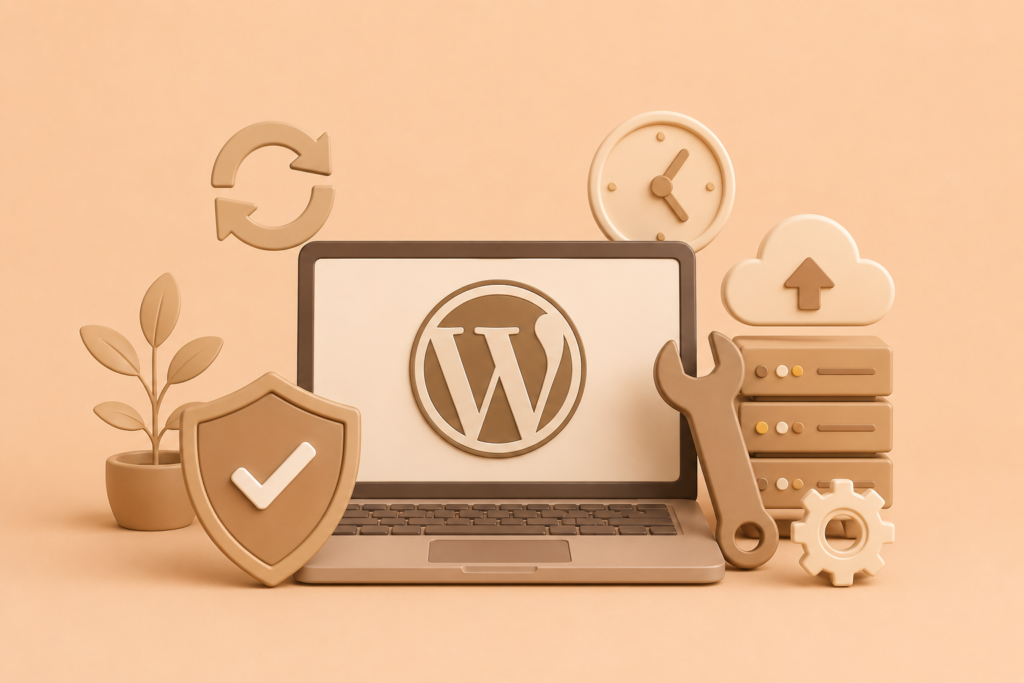
Managing plugins and themes requires ongoing attention and expertise. Without proper maintenance, websites can become slow, insecure, and outdated. Professional maintenance services ensure that your website remains optimized, secure, and fully functional.
Regular maintenance includes updates, backups, security scans, and performance optimization. Following Google website quality guidelines, maintaining a high-quality website is essential for user trust and search engine rankings.
At WP Maintenance Service, we provide comprehensive solutions to manage your WordPress plugins and themes effectively. From routine updates to advanced optimization, professional support helps you focus on growing your business while ensuring your website performs at its best.
Frequently Asked Questions
1. How many plugins should I use on a WordPress site?
There is no fixed number, but it’s best to use only essential plugins. Quality matters more than quantity. Too many plugins can slow down your website and cause conflicts.
2. Are free plugins safe to use?
Yes, if they are downloaded from the official WordPress repository and regularly updated. Always check reviews and ratings before installing.
3. How often should I update plugins and themes?
Updates should be applied as soon as they are available, after testing in a staging environment to avoid compatibility issues.
4. What is a child theme and why is it important?
A child theme allows you to customize your website without affecting the parent theme, ensuring updates do not overwrite your changes.
5. Can plugins affect SEO?
Yes, plugins can improve or harm SEO depending on how they are configured. Proper optimization is essential for better rankings.
6. What should I do if a plugin breaks my site?
Deactivate the plugin immediately, restore a backup, and identify the conflict before reinstalling or replacing it.
7. Are premium themes better than free themes?
Not always. Premium themes often offer better support and features, but free themes can also be high-quality if chosen carefully.
8. How can I improve plugin performance?
Remove unused plugins, use lightweight alternatives, and optimize settings to reduce server load.
Common Mistakes to Avoid
One of the biggest mistakes is installing plugins without proper research. Many users rely on trial and error, which can lead to performance issues and security risks. Always evaluate plugins based on reviews, update history, and compatibility.
Another common mistake is neglecting backups. Without backups, recovering from a crash or hack becomes extremely difficult. Regular backups ensure that your data is safe and can be restored easily in case of emergencies.
Ignoring performance optimization is another critical error. Heavy themes and poorly coded plugins can slow down your website significantly. Regular audits and optimization practices help maintain speed and efficiency.
Best Practices Summary
To manage WordPress plugins and themes effectively, focus on quality, performance, and security. Choose lightweight and well-coded themes, install only essential plugins, and keep everything updated regularly.
Follow best practices such as using child themes, testing changes in staging environments, and conducting regular performance audits. Adhering to Google’s website performance and security guidelines ensures a high-quality user experience.
By implementing these strategies, you can create a fast, secure, and scalable WordPress website that meets modern standards and delivers long-term success.
Conclusion
WordPress plugins and themes are powerful tools that can transform your website’s functionality and design. However, they require careful selection, proper management, and ongoing maintenance to deliver optimal results.
At WP Maintenance Service, we emphasize the importance of performance, security, and best practices to ensure your website remains competitive in search rankings and user experience. By following the strategies outlined in this guide, you can build a robust WordPress site that drives growth and success.
Want to Implement This Easily?
Prompt Text:
You are an expert consultant. Based on the blog post titled “(WordPress Plugin and Theme)”, provide a step-by-step, practical implementation guide. Include tools, best practices, common mistakes to avoid, and advanced tips. Assume the reader wants to implement everything discussed in this article effectively.
Call to Action:
Want our help implementing this? Just reach out to us via our website contact form: https://www.wpmaintenanceservice.com/contact-us/